English
 русский
 Español













¿Por qué algunos maletines de lona se sienten mejor?
2026-06-05
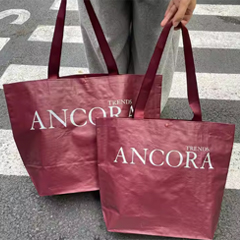
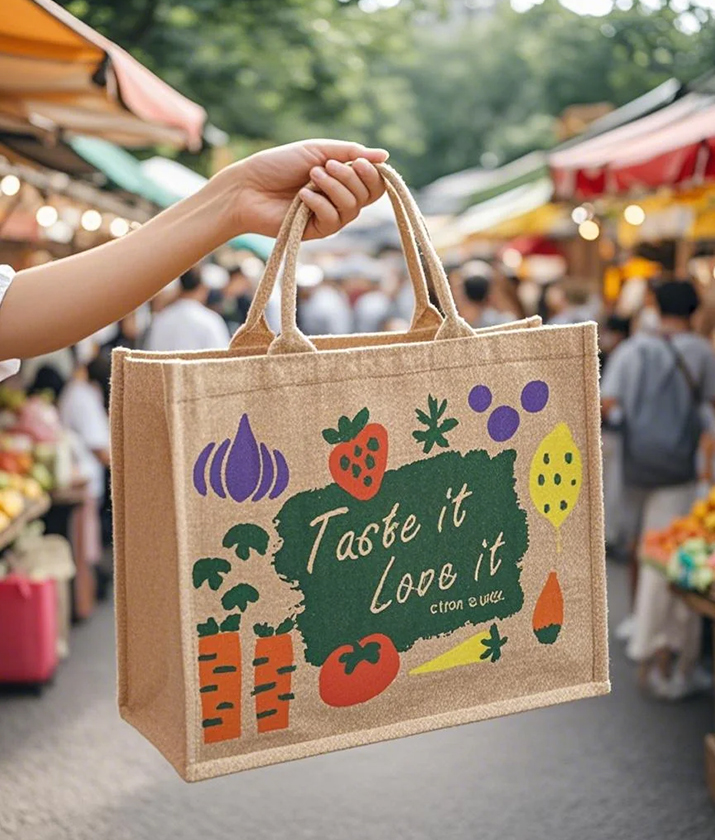
Dos bolsas de lona pueden parecer casi idénticas en las fotografías del producto.
El mismo color.
Las mismas dimensiones.
Incluso tiradores de aspecto similar.
Sin embargo, una vez que llegan, la diferencia se vuelve obvia.
Uno se siente estructurado y sustancial. El otro se siente suave, desigual o más delgado de lo esperado.
Para los compradores que obtienen un bolso maletín de lona , esta situación es sorprendentemente común. El diseño visible es sólo una parte de la historia. Lo que crea la mayor diferencia suele estar oculto dentro de las especificaciones del material y los detalles de construcción.
El número de peso que los compradores suelen ignorar
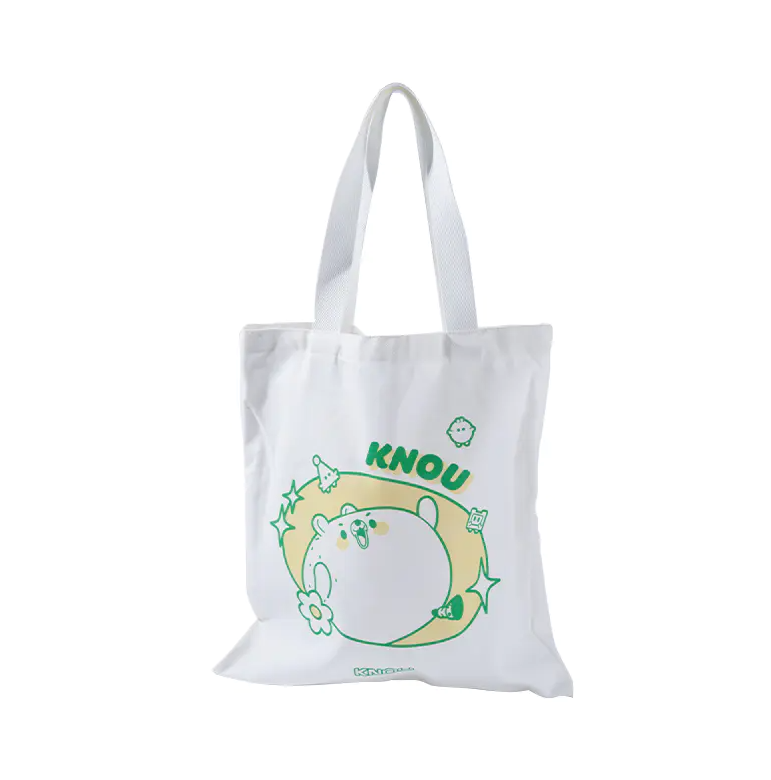
Cuando se habla de un maletín de lona, la atención suele centrarse en el color, la ubicación del logotipo o el diseño de los bolsillos.
El peso de la tela recibe mucha menos atención.
Eso puede ser un error.
Un lienzo más claro puede parecer aceptable en una imagen de catálogo, pero una vez que se colocan dentro documentos, computadoras portátiles o muestras, la bolsa puede comportarse de manera muy diferente.
Muchos equipos de adquisiciones descubren esto durante la evaluación de muestras. La bolsa en sí parece correcta, pero la estructura colapsa cuando se carga.
Una lona más pesada generalmente proporciona más soporte y mejor retención de forma. La diferencia puede ser sólo de unas pocas onzas por metro cuadrado, pero en el uso diario se vuelve notable.
Por qué la muestra a veces se ve diferente
Una de las razones por las que los proyectos de abastecimiento se vuelven frustrantes es que las fotografías rara vez cuentan la historia completa.
La iluminación cambia de color.
La configuración de la pantalla cambia de color.
Incluso el mismo maletín de lona puede verse diferente dependiendo de dónde se mire la imagen.
La cuestión más importante, sin embargo, es la sustitución material.
Algunos compradores comparan una muestra con una cotización y asumen que ambos usan especificaciones de tela idénticas. Sólo más tarde descubren diferencias en el espesor, el acabado o el tratamiento de prelavado.
Esta es la razón por la que las especificaciones detalladas a menudo importan más que la mera apariencia.
La suavidad y la durabilidad no siempre van juntas
Una suposición común es que una tela más suave significa automáticamente una mayor calidad.
En realidad, la suavidad y la durabilidad a veces van en direcciones opuestas.
Ciertos procesos de acabado crean una sensación inmediatamente cómoda en la mano. También aflojan ligeramente las fibras superficiales.
El resultado puede ser un bolso que se siente impresionante durante la primera inspección pero que envejece de manera diferente después de meses de desplazamientos, plegado y transporte.
por un bolso maletín de lona Diseñado para uso diario en la oficina, la retención de la forma a largo plazo puede ser más importante que la suavidad del primer toque.
La costura cuenta una historia más grande
Los compradores suelen inspeccionar primero el panel principal de la carrocería.
Los equipos de abastecimiento experimentados suelen comenzar con las manijas.
El área de conexión del mango absorbe la mayor parte del estrés durante el uso normal.
Una bolsa que lleva una computadora portátil, documentos, cargadores y accesorios coloca una carga repetida en los mismos puntos de costura todos los días.
Mire de cerca y las diferencias se harán visibles.
- patrones de refuerzo
densidad de puntada
- espesor del hilo
- acabado de bordes
- distribución de carga
Estos detalles rara vez aparecen en las fotografías de marketing, pero influyen en el tiempo que un maletín de lona sigue siendo confiable.
Por qué es importante el lienzo prelavado
Un detalle que recibe poca atención durante las discusiones sobre abastecimiento es el encogimiento de la tela.
La lona de algodón sin tratar puede cambiar después del lavado o la exposición a la humedad.
El cambio puede parecer pequeño sobre el papel, pero puede afectar la alineación de los bolsillos, la forma del panel y la apariencia general.
La lona prelavada reduce este riesgo.
Muchos compradores nunca notan el tratamiento en sí. Simplemente notan que una bolsa mantiene su forma de manera más consistente que otra después de meses de uso.
La diferencia entre verse profesional y sentirse profesional
Un bolso maletín no es sólo un producto de almacenamiento.
Se convierte en parte de cómo se presentan las personas.
Esto es especialmente cierto en oficinas, exposiciones, reuniones con clientes y viajes de negocios.
Curiosamente, los usuarios suelen juzgar la calidad en los primeros segundos de tocar el bolso en lugar de mirarlo.
La forma en que se coloca un maletín de lona sobre un escritorio, la forma en que se asientan las asas en la mano y la forma en que la tela responde bajo carga contribuyen a esa impresión.
Esos detalles son difíciles de comunicar a través de fotografías, pero fáciles de reconocer en el uso real.
Preguntas frecuentes
- ¿Un lienzo más pesado siempre significa mejor calidad?
No necesariamente. Una lona más pesada generalmente mejora la estructura, pero la calidad de la construcción y las costuras siguen siendo igualmente importantes.
- ¿Por qué dos bolsos con las mismas dimensiones se sienten diferentes?
Las diferencias en el peso de la tela, el tratamiento de acabado, el refuerzo y el forro pueden cambiar significativamente la sensación de un bolso.
- ¿Vale la pena considerar el lienzo prelavado?
Para muchas aplicaciones, sí. Ayuda a reducir la contracción y mejora la estabilidad dimensional con el tiempo.
- ¿Qué deberían comprobar primero los compradores en una muestra?
Muchos compradores experimentados comienzan con el área de fijación del asa porque a menudo revela la calidad general de la construcción del bolso.
Productos recomendados